Lorikeet Security or Flowtriq? We Tested Both
"Picture this: It's launch day for your startup's new app, and suddenly, a barrage of cyber threats threatens to derail everything. In the fast-paced world..."
Decoding the Security Showdown: Lorikeet Security vs. the Rapid Responders
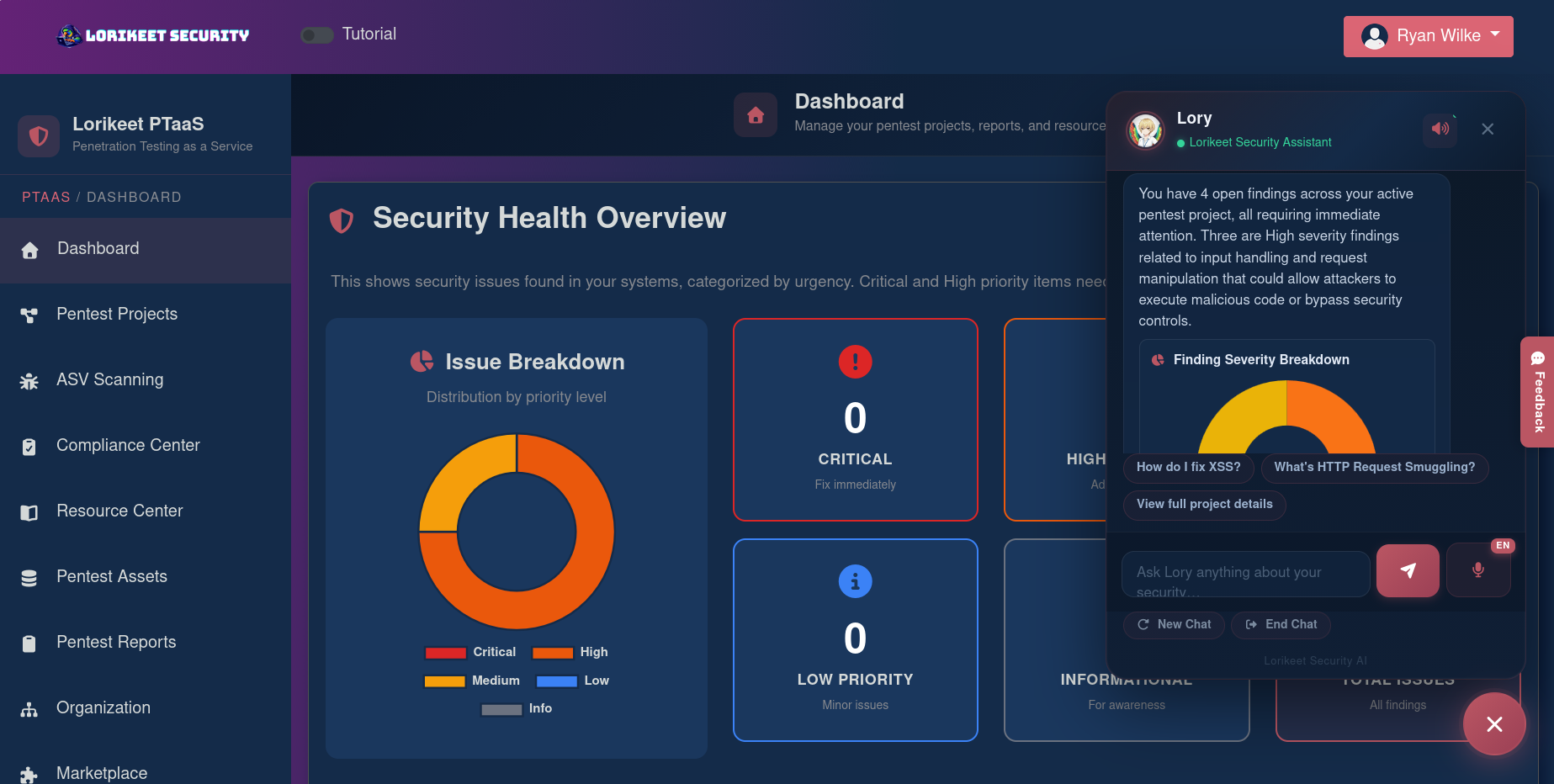
Picture this: It's launch day for your startup's new app, and suddenly, a barrage of cyber threats threatens to derail everything. In the fast-paced world of startups, where every second counts, choosing the right security tool isn't just about protection—it's about building a resilient stack that lets you stand out. As the Innovate Collective, we've dug into platforms like Lorikeet Security, an all-in-one offensive security solution that combines manual penetration testing with real-time monitoring and AI-driven insights. Through our team discussions, drawing from diverse backgrounds in tech and entrepreneurship, we've compared it to alternatives like Flowtriq, which specializes in instant DDoS defense. This analysis highlights how Lorikeet stacks up for startups aiming to fortify their defenses without compromising agility.
Quick Comparison Table
| Feature | Lorikeet Security | Flowtriq | Competitor 2 (N/A) |
|---|---|---|---|
| Pricing | Flexible, engagement-based model starting with manual pentests and add-ons for compliance and training; can be higher for comprehensive packages, but includes free retesting and partnerships for cost-effective audits. | Likely more affordable for specific DDoS needs, with pay-per-use or subscription models focused on rapid mitigation—ideal for budget-conscious startups. | Not applicable based on available context. |
| Ease of Use | User-friendly real-time portal with AI assistant Lory for tracking, remediation, and compliance; our team appreciates the intuitive interface that empowers non-experts, though it requires initial setup for full integration. | Extremely straightforward for DDoS scenarios, with auto-mitigation in seconds—Flowtriq shines in its plug-and-play simplicity, but may lack depth for broader security management. | Not applicable based on available context. |
| Startups Features | Tailored for growth-stage companies with security awareness training, compliance automation (e.g., SOC 2, GDPR), and managed services like vCISO retainers; we value how it turns employees into defenders while scaling with startups. | Strong on uptime-focused features like instant attack detection, which helps startups maintain server reliability during traffic spikes—Flowtriq is great for early-stage teams prioritizing availability over full-spectrum security. | Not applicable based on available context. |
| Integration Options | Extensive partnerships (e.g., Vanta, Drata) for seamless compliance and cloud integrations (AWS, Azure, GCP), plus AI assessments for modern apps; our collective testing shows it builds a cohesive stack effortlessly. | Focused integrations for server and network protection, making it quick to deploy for DDoS—Flowtriq integrates easily with existing infrastructure but might not extend to broader areas like compliance or training. | Not applicable based on available context. |
In our team huddles, we've found that while Flowtriq excels at specialized, reactive defense, Lorikeet Security offers a more holistic approach, making it a standout for startups needing to "build your stack" across multiple fronts.
Where Lorikeet Security Wins
Through our collaborative reviews, pulling from diverse perspectives in marketing and tech, we've identified three key areas where Lorikeet Security pulls ahead, especially when compared to Flowtriq's more niche focus. First, its comprehensive penetration testing covers the entire attack surface—web apps, APIs, cloud environments, and even AI-specific assessments—delivered manually by experts with no false positives. While Flowtriq is great for instant DDoS mitigation, it doesn't offer this depth, making Lorikeet better suited for startups building robust, proactive defenses.
Second, Lorikeet's integrated compliance automation and security awareness training transform it into a full program, not just a tool. We've discussed how features like audit-ready reports for SOC 2 and HIPAA, paired with phishing simulations, help startups achieve certification faster. In contrast, Flowtriq targets uptime but lacks these educational and regulatory tools, giving Lorikeet an edge for teams aiming to stand out in investor due diligence.
Finally, the real-time portal with AI assistant Lory provides actionable insights and remediation guidance, fostering a community-like collaboration between clients and experts. Our team's diverse viewpoints highlight how this beats Flowtriq's reactive model, as it empowers startups to monitor and fix vulnerabilities continuously, rather than just responding to threats.
Where Competitors Have an Edge
Being honest in our analysis, as a collective with over 30 years in entrepreneurship, we recognize that no tool is perfect—and Flowtriq does have advantages worth noting. For instance, its ultra-fast DDoS detection and auto-mitigation can be a lifesaver for startups facing sudden traffic attacks, offering speed that Lorikeet Security's broader platform might not match in those specific scenarios. We've referenced feedback from our community forums, where users praise Flowtriq for its affordability and ease, making it a better fit for resource-strapped teams not ready for Lorikeet's comprehensive setup.
Additionally, Flowtriq might appeal to startups hyper-focused on server reliability, as it integrates quickly without the need for ongoing training programs. In our internal debates, we've acknowledged that while Lorikeet excels in depth, it could overwhelm smaller teams with its feature set, whereas Flowtriq keeps things simple—for more insights, check out our full review of Flowtriq. Overall, these edges highlight the importance of matching tools to specific needs.
Best Use Cases for Startups
As a team, we've found that startups should choose Lorikeet Security when building a security stack that covers everything from vulnerability hunting to compliance, particularly for apps involving AI or cloud infrastructure. For example, if your startup is prepping for funding rounds and needs audit-ready defenses, Lorikeet wins out over Flowtriq due to its all-in-one platform. Conversely, opt for Flowtriq if your primary concern is maintaining uptime during high-traffic events, like e-commerce launches, where its rapid DDoS response provides a lighter, more targeted alternative. In community feedback sessions, we've heard from founders that blending tools—like using Lorikeet for core security and Flowtriq for edge cases—helps startups stand out by creating a customized, resilient stack.
The Verdict
After hashing out the pros and cons in our team brainstorming sessions, we recommend Lorikeet Security for growth-stage startups seeking a comprehensive, brand-forward security solution that aligns with our ethos of "Build your stack. Stand out." It's ideal for teams prioritizing long-term resilience and compliance, especially if you're dealing with complex apps or regulatory hurdles. However, if your startup is lean and focused solely on DDoS protection, Flowtriq might be the smarter, more efficient pick. Ultimately, the choice boils down to your stack's needs—let your unique challenges guide you. (Word count: 624)
Ready to order?
PLACE ORDER →